

Download App



 Nov 02, 2026


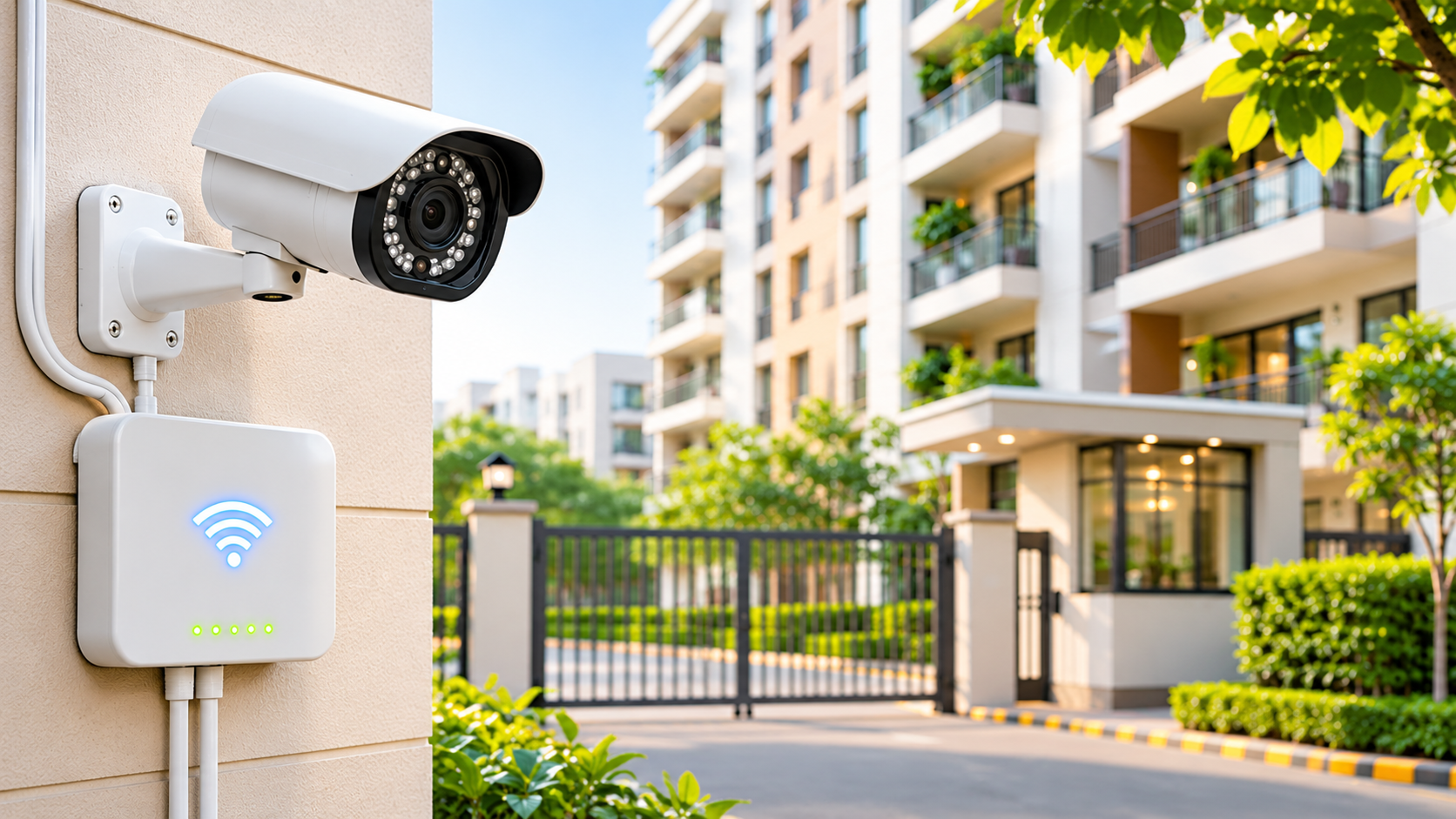
Effective CCTV surveillance is not just about cameras and recording devices. A stable internet connection transmits footage, supports remote viewing, and enables offsite backups. Modern 1080p, 2K, and 4K cameras may generate high upload requirements. Fiber broadband provides a high-capacity connection. Housing societies can enhance security surveillance across residential premises with the appropriate planning.
Modern 1080p, 2K, and 4K cameras are generating large amounts of data, particularly when recording continuously. Higher upload capacity is usually needed with greater resolutions. Plan bandwidth using camera specifications and frame rates.
Estimate cctv cloud recording internet speed by adding the upload bitrates of all cameras sending footage offsite. Provide additional bandwidth for network overhead. This will avoid congestion during rush hours.
Upload capacity should be able to accommodate camera streams, remote live viewing, and other society internet usage simultaneously. Test performance during busy hours. Do not rely on advertised download speeds alone.
Compression settings, frame rates, and motion detection affect each camera’s bitrate. Request installers to determine total upload demand. Recalculate bandwidth needs when adding or upgrading cameras across the property.
High-capacity connectivity with several camera streams can be achieved with reliable fiber internet for surveillance. Check the real upload speed of the plan. Consistent upload speed is more important than headline download speed.
Network video recorders store footage on-site, allowing continued recording during internet outages. They provide quick local access. Stable power and adequate storage are a necessity.
Cloud services store video in remote locations, and access is simplified across various locations. Constant backups are supported by a stable upload capacity. The right cctv cloud recording internet speed assists in reducing interruptions.
Integration of local and cloud storage enhances footage availability during connectivity issues. NVRs store local recordings. Remote viewing and offsite backups are supported by fiber internet for surveillance.
Prepare Fiber for Monsoon Weather
Optical fiber offers reliable connectivity and resists electromagnetic interference from electrical equipment. Nevertheless, uncovered cables and inadequately sealed joints are vulnerable to monsoon weather. Outdoor connections should be shielded with weatherproof enclosures to protect them from moisture.
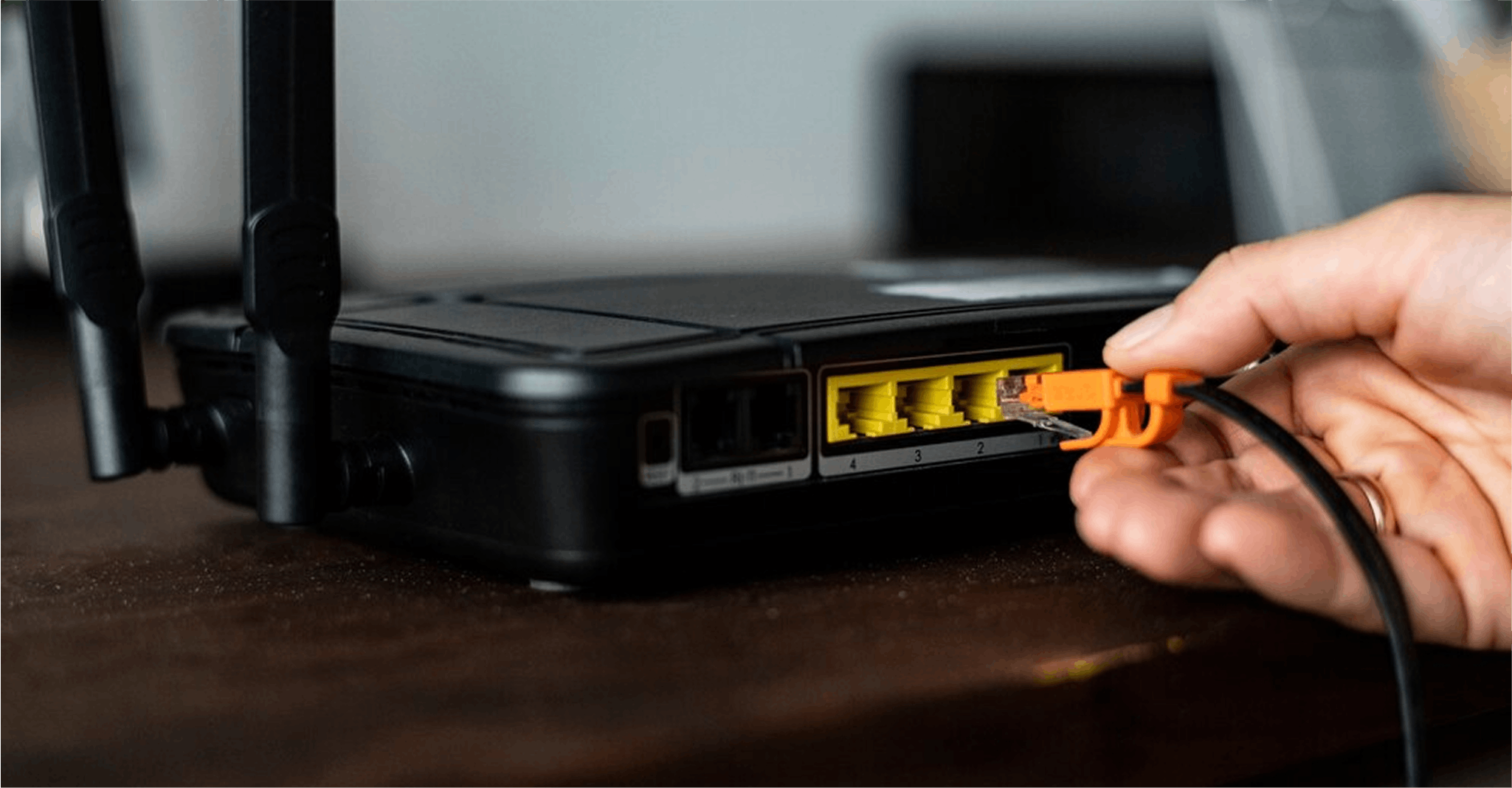
Install suitable conduits to shield cables from physical damage. For fiber internet or surveillance, make sure that cable routes and points of connection are checked by technicians on a regular basis. Keep networking equipment elevated above potential flood levels.
Install backup power in routers, switches, and recorders. Broadband for housing society cctv should include proper installation and maintenance planning. Such measures contribute to minimizing weather-related disruptions and ensuring reliable surveillance connectivity.
An effective CCTV network must be planned well in every residential area. Correct connections will provide continuous video transmission. These measures help societies to have secure, scalable, and efficient surveillance systems.
Mach1 Broadband provides fiber connectivity services for residential security needs. Its website advertises speeds of up to 1 Gbps. Quality uploading performance facilitates remote viewing and cloud recording. Before choosing a plan, assess camera numbers and bandwidth requirements.
Societies should verify the availability of services and their installability. To have a wifi connection for security cameras thane, consider coverage and signal strength. Wired connections can be more appropriate for critical cameras across large properties.
Compare support services, plan conditions, and backup requirements. Consider local coverage and consistent uploads when choosing the best broadband for cctv cameras mumbai. Contact Mach1 to discuss your society's connectivity needs.
Stable connectivity, adequate bandwidth, and appropriate infrastructure are necessary to have reliable CCTV surveillance. Fiber broadband enables effective video transmission in residential complexes. Weatherproof installations and backup power help minimize service interruptions. Select an appropriate connection depending on the number of cameras and recording requirements. Periodic maintenance guarantees reliable security and surveillance durability.