

Download App







 Apr 30, 2026




In the modern digital age, smooth connectivity is the foundation of personal and professional life. Streaming, gaming, remote working, and smart homes are some of the areas where internet technology has become indispensable to make everything work well. Modern technology such as the fiber optic infrastructure and smart networking devices have changed the way we use the internet. Knowledge about these fundamental technologies will enable users to make appropriate choices and have a better and more stable connection with minimum disruptions.
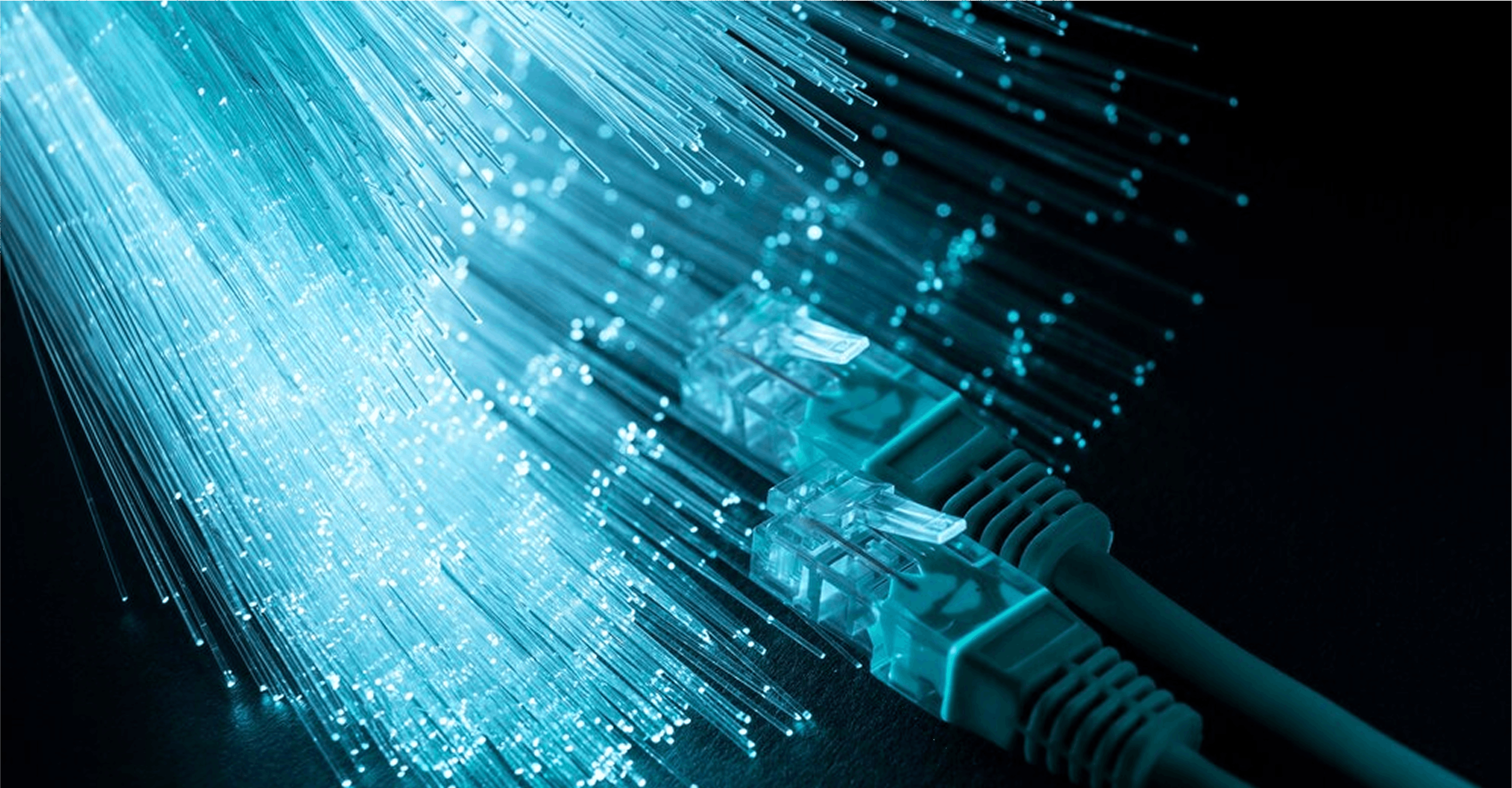
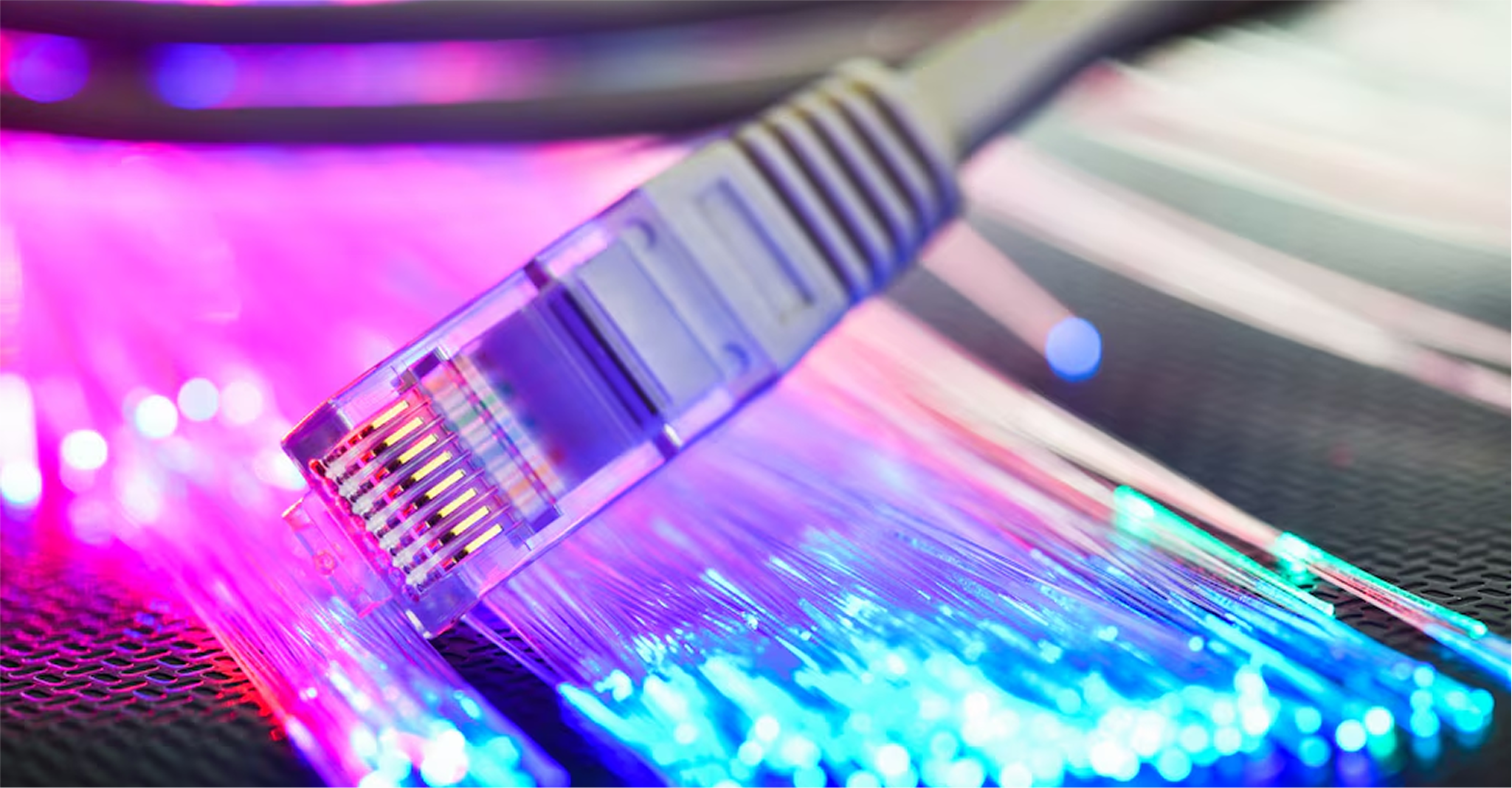
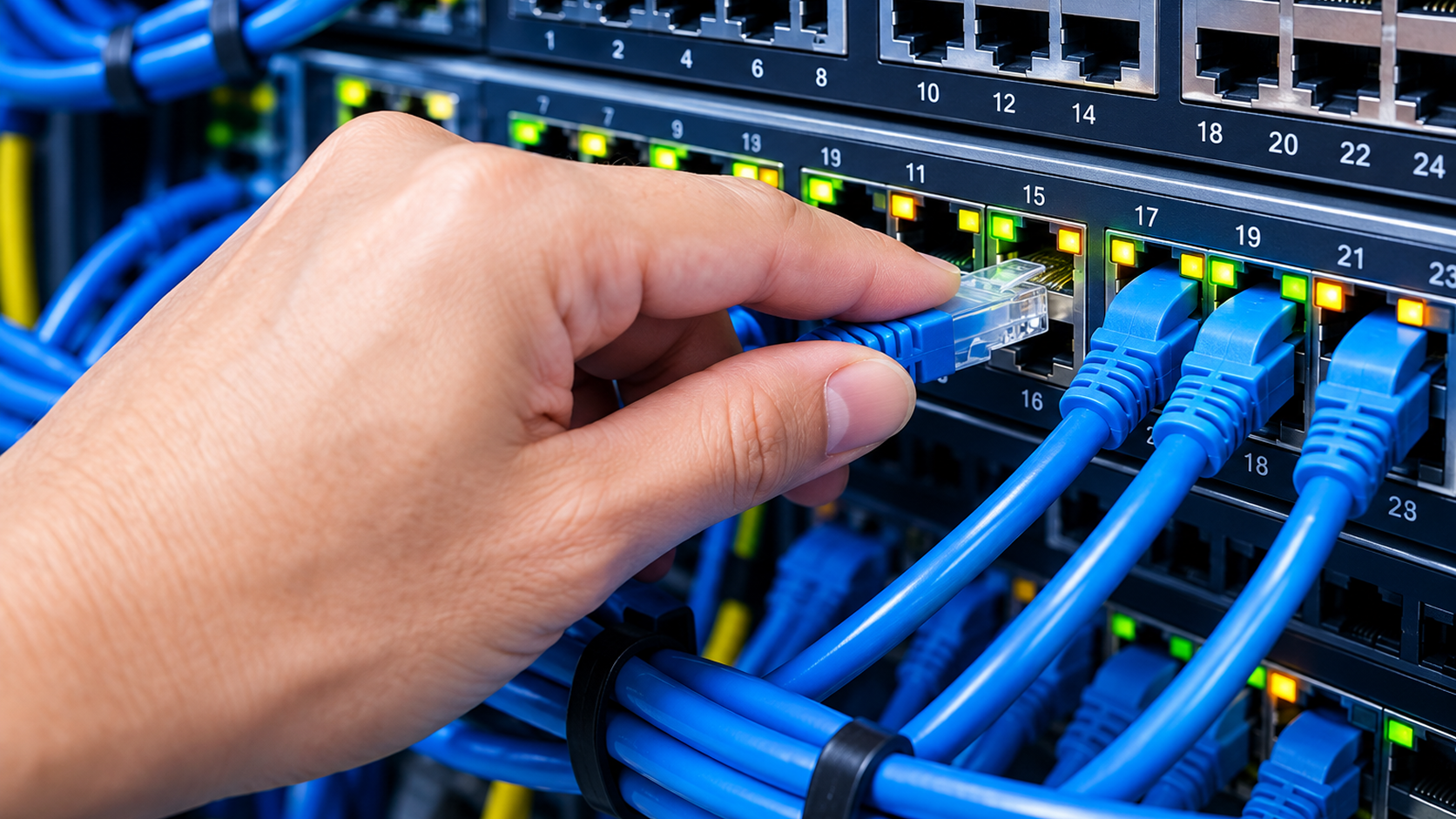
FTTH or FTTH network is a highly developed system of internet delivery today. FTTH is unlike the traditional copper-based connection that involves using fiber optic cables to transmit data in the form of light signals. This will lead to much higher speeds, improved reliability and less signal degradation at long distances.
The capability to offer ultra-fast plans, such as 1 Gbps speed connections, is one of the largest benefits of an FTTH set up. The high speeds are perfect when a household has more than one user and devices, which can smoothly stream, play games and browse without any interruptions.
Stability is another important advantage. Fiber connections also do not have much dependence on environmental factors like weather or electromagnetic interference. This renders them a reliable option to those users who need reliability during the day.
Moreover, FTTH has low latency, an essential feature of real-time applications such as video calls, online gaming, and virtual meetings. Users will be able to have a smooth and responsive internet experience with minimum delays.
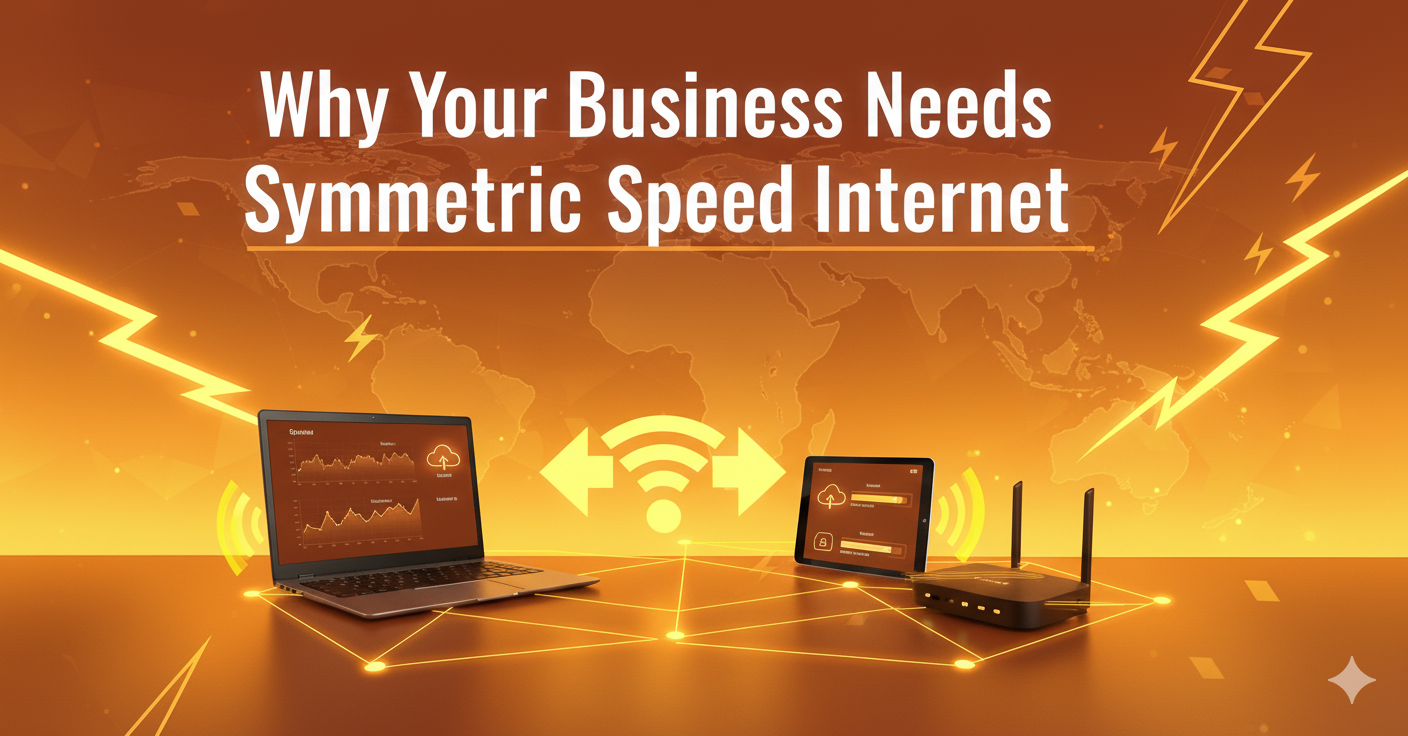
The download speed of traditional internet plans is usually faster than the upload speed. The current connectivity solutions however provide symmetrical bandwidth with the upload and download speed being equal. This aspect is particularly helpful in the cloud-based world today.
To remote professionals, symmetrical speeds guarantee video conferencing without delays or buffering. It makes it much easier to upload huge files, share presentations and even take part in virtual meetings. This is especially necessary when there are several users who are on the same connection at the same time.
Symmetrical bandwidth is also available with cloud storage and backup services. Sending information to the cloud will be accelerated and more dependable, which will decrease waiting time and enhance productivity. Regardless of whether it is the process of backup of valuable files or synchronization of devices, equal speeds improve the overall effectiveness.
In addition, symmetrical connections also help in low latency, which guarantees quicker response time and an enhanced user experience. This is necessary in the activities that need real time communication like online collaboration and live streaming.
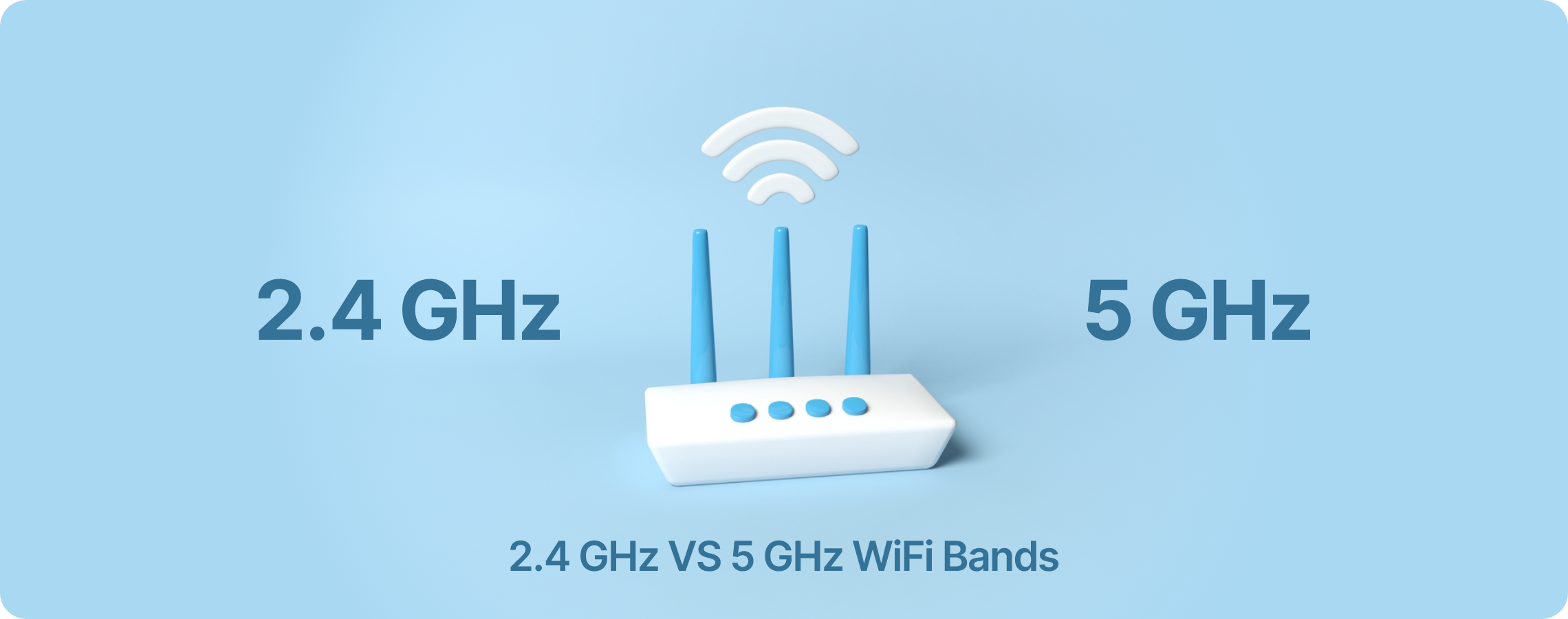
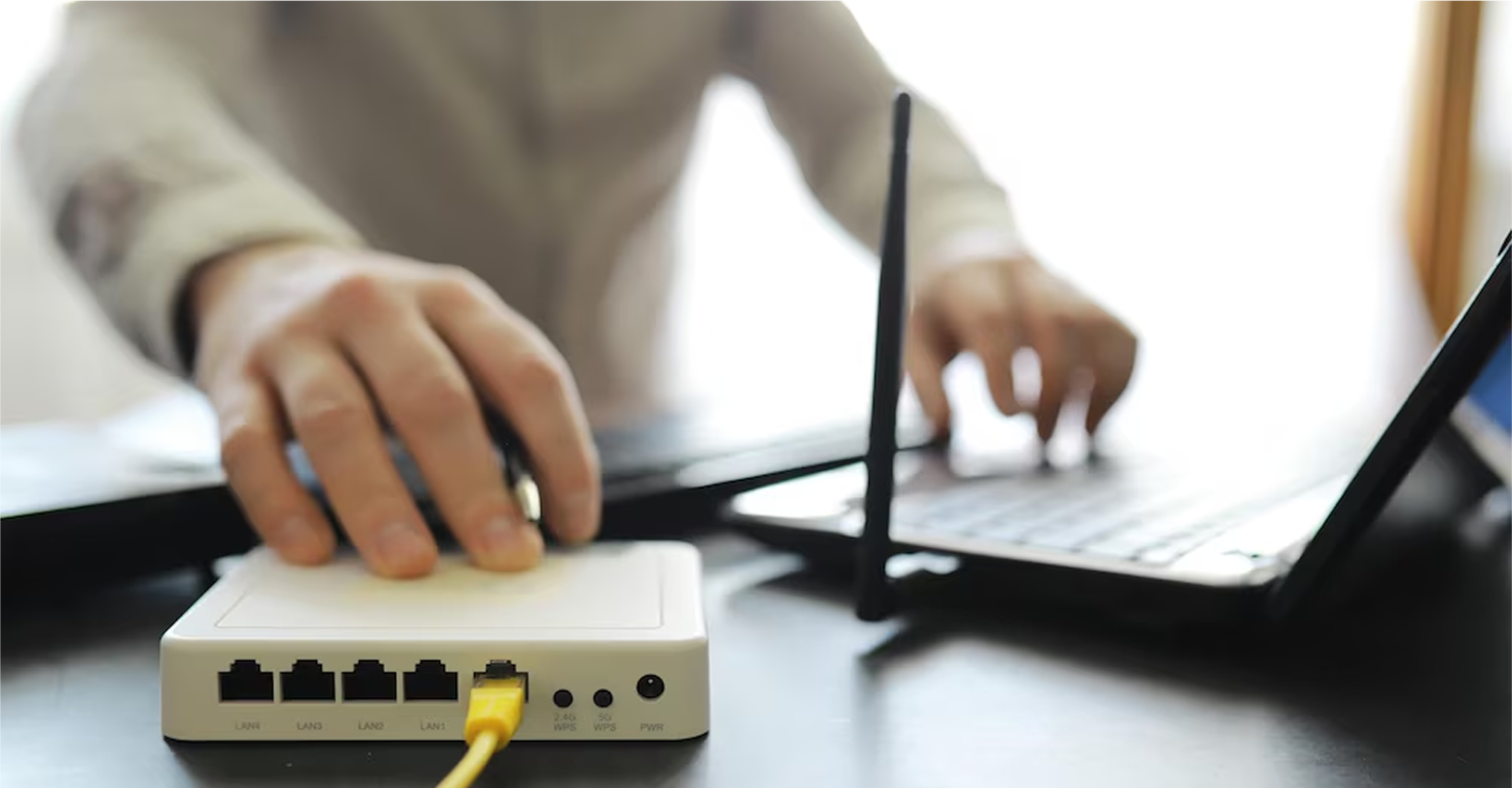
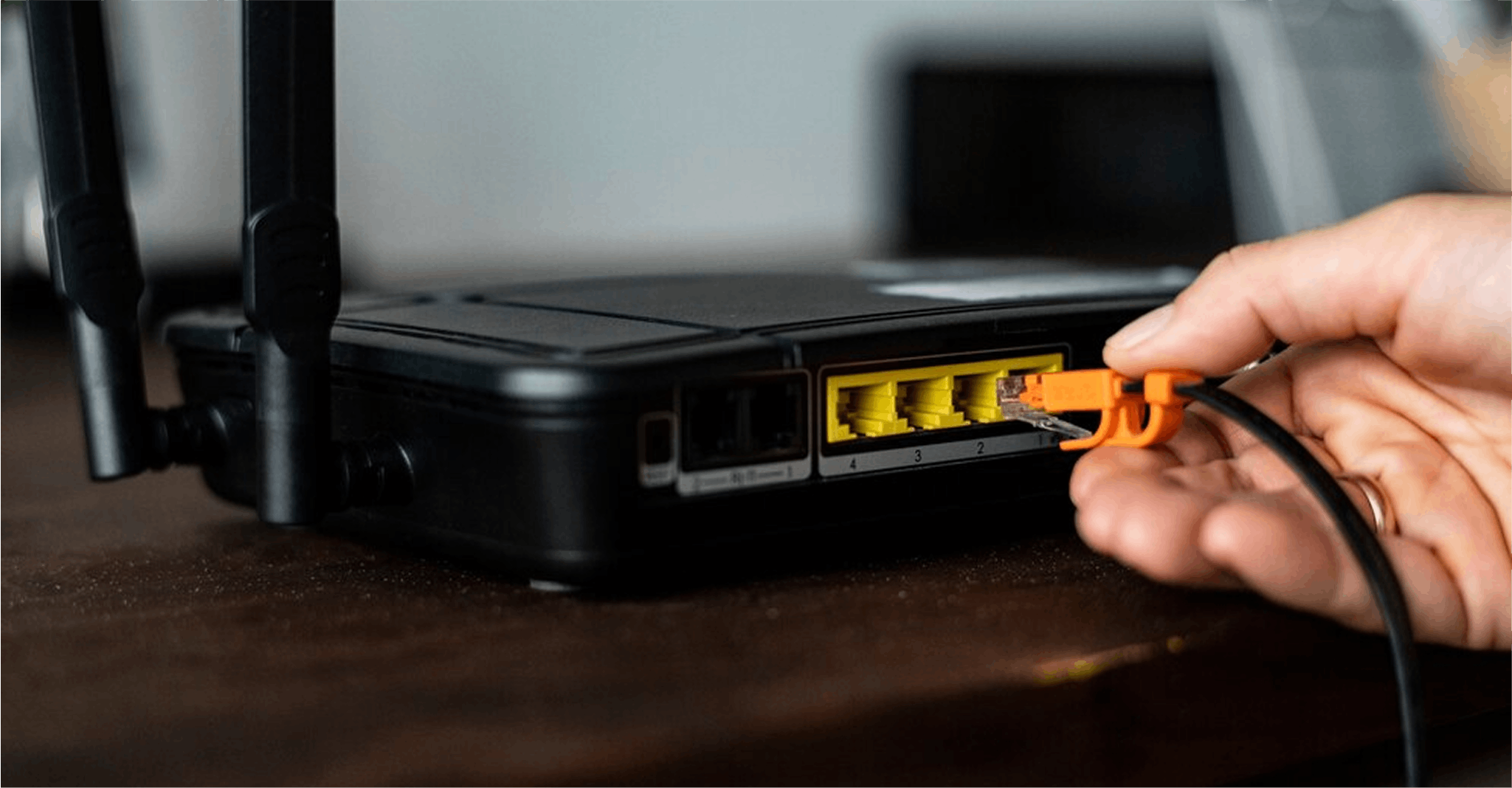
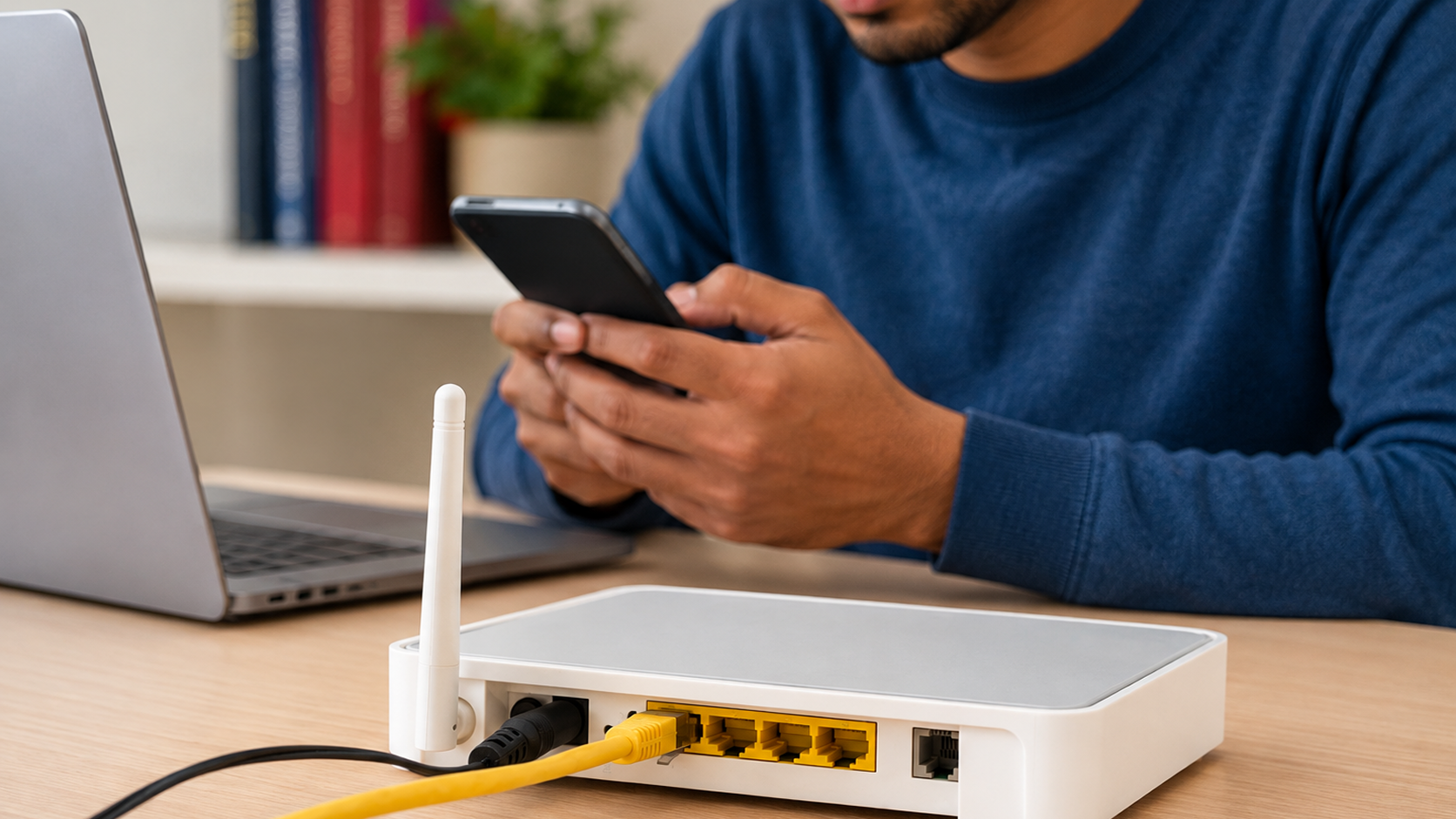
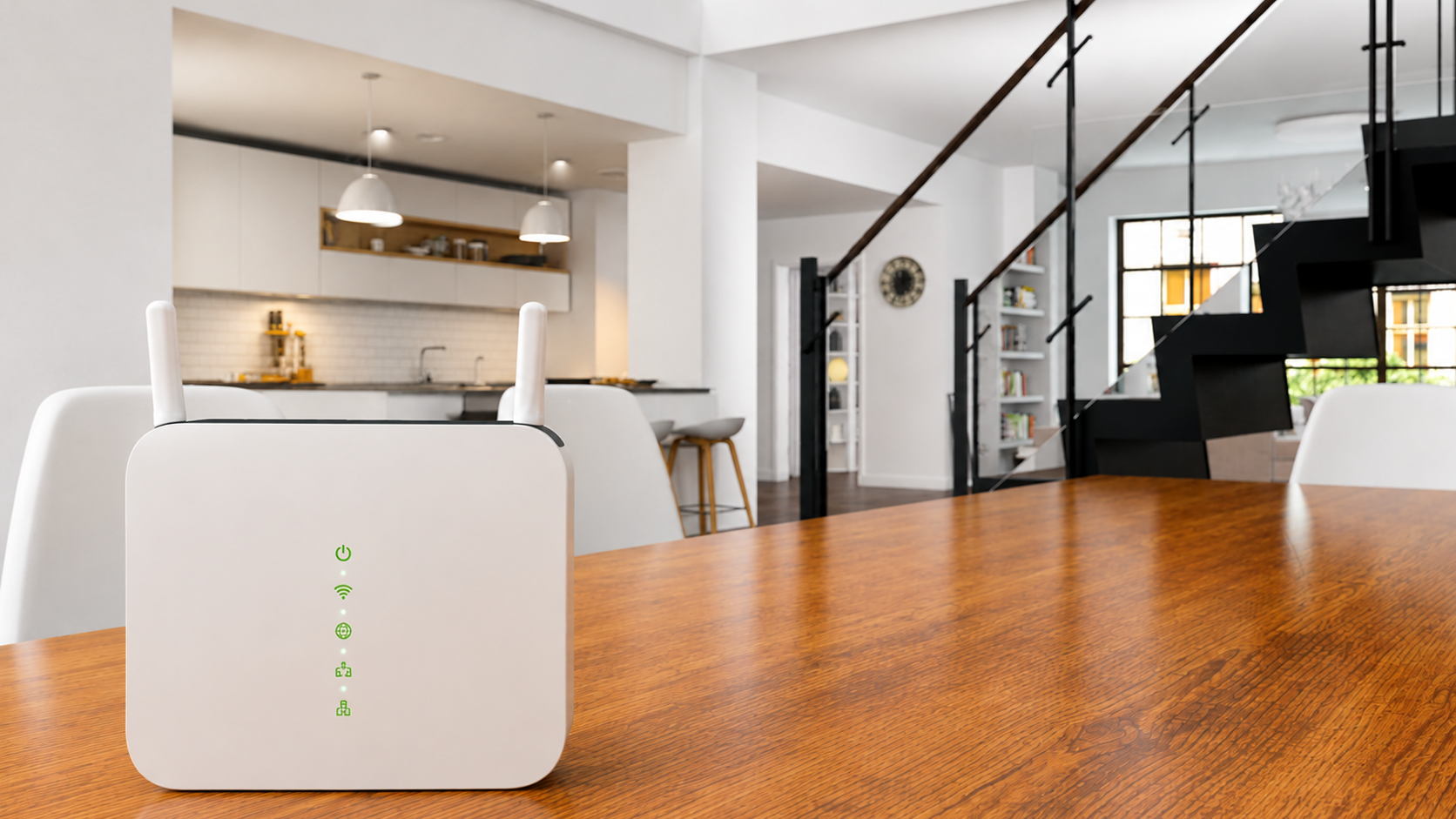
A Dual-band router is a vital part of the contemporary home networks, which provides two frequency bands 2.4 GHz and 5 GHz. All the bands have their purpose and the users can make the most of the internet experience depending on their needs.
The 2.4 GHz band has a broader coverage and penetration by walls and obstacles. It is best suited in bigger houses or where the router is distant to the device. Nevertheless, it can be more interfered with by the presence of several devices with the same frequency.
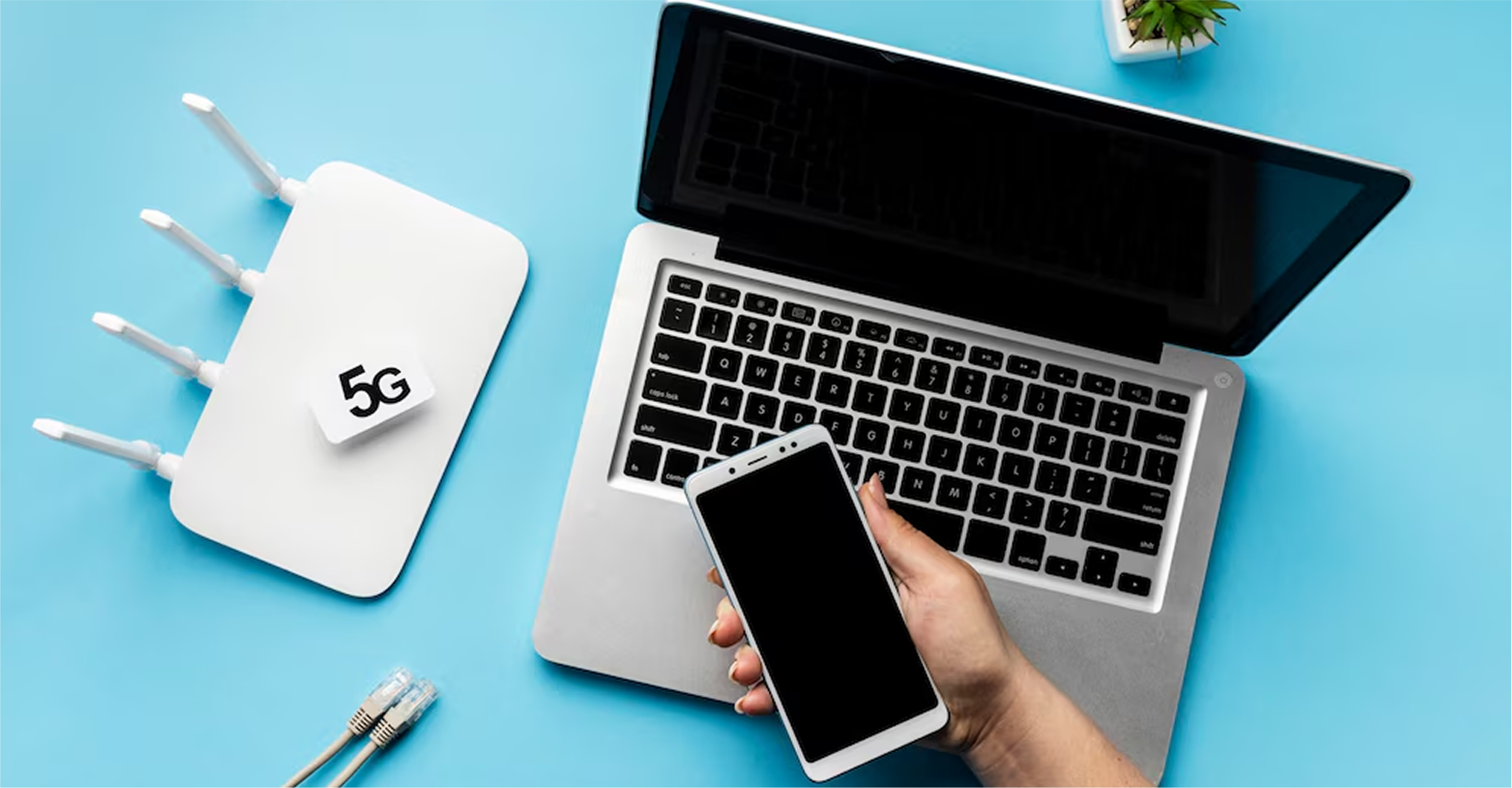
Conversely, the 5 GHz band is less congested and has higher speeds. It is ideal for high bandwidth tasks such as streaming HD video, online gaming, and downloading big files. Although it has less range, it performs better when it is utilized in close reach with the router.
A dual-band router enables users to alternate between these bands as they may wish to. Devices requiring steady coverage can use 2.4 GHz; the speed-needed devices can use the 5 GHz band.
This is flexible and provides superior network management and low latency is maintained between the devices. Combined with high-speed plans like 1 Gbps speed, dual-band technology enhances overall connectivity and user experience.
The internet has become faster, more reliable and efficient with modern connectivity technologies that have changed the way we use the internet at home. Starting with sophisticated infrastructure to smarter networking solutions, every aspect is a central factor to improving daily digital experiences. The right setup will help make the work, entertainment, and communication performance smoother. Fiber optic technology has the power to provide users with high-speed and stable connectivity for all their needs.